

Different soils from different composts
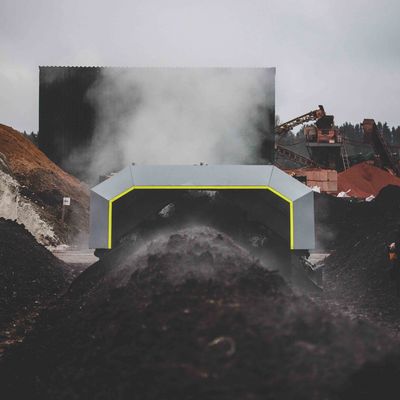
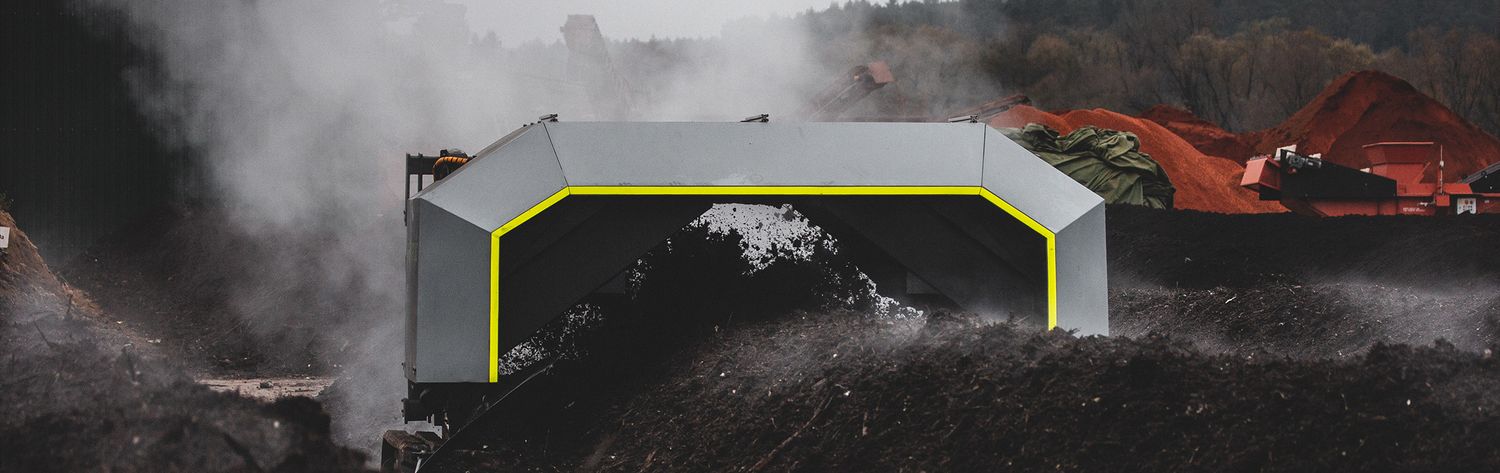
The respective compost raw materials are placed together with soil in small triangular windrows and mixed thoroughly. The small windrow cross-section and regular turning (daily in the first week, then three times a week) ensure a 100% oxygen supply. If there is a risk of overfilling (e.g. prolonged periods of rain), all windrows are covered with fleece. The temperature rises rapidly in the windrows and then subsides again after 4-6 weeks. The cooled windrows are then used for humification.
Compost
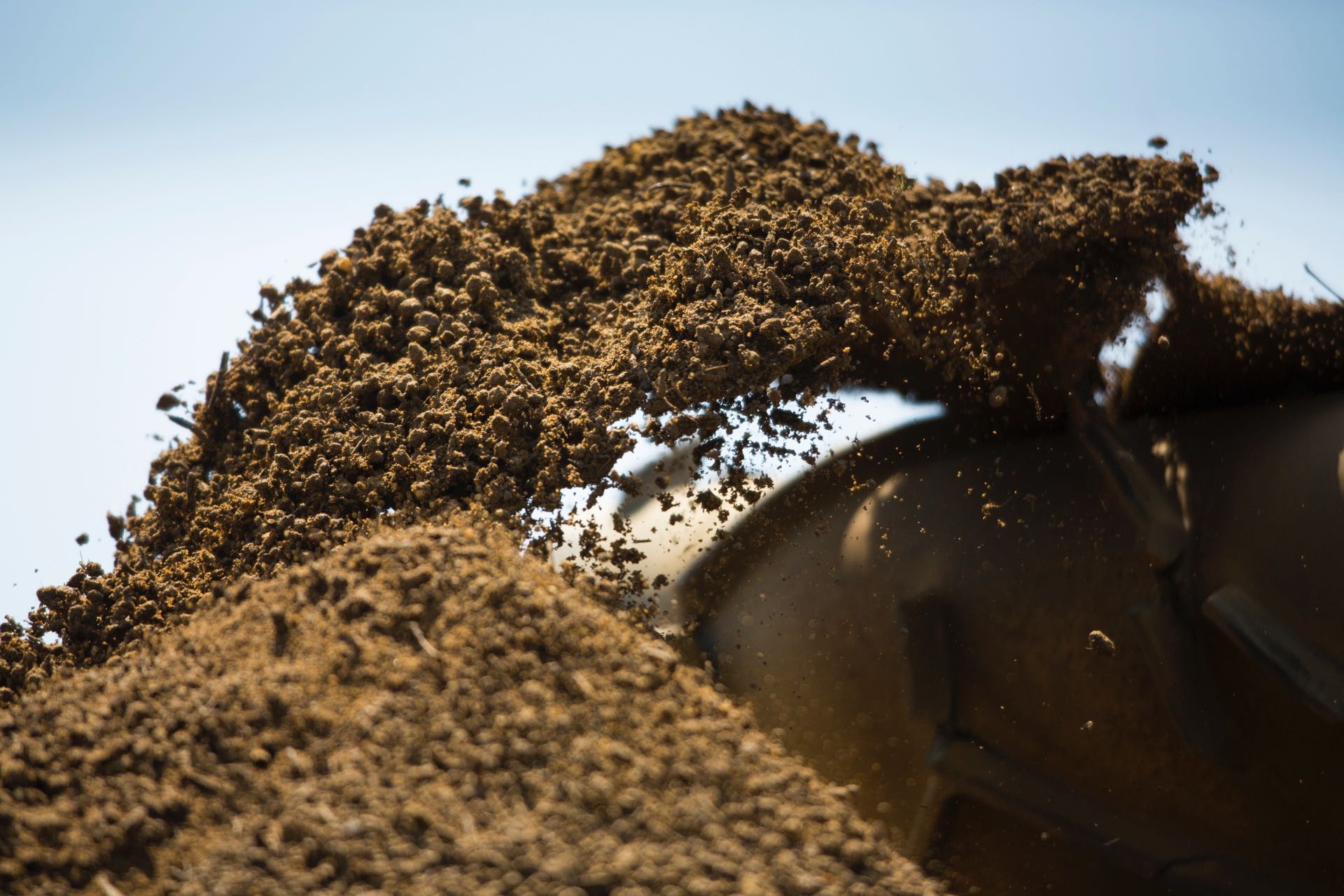
The raw materials consist of controlled sewage sludge, chopped green and shrub cuttings, wood ash and organic rock flour. This compost is mainly used for garden design products (lawn soil, humus) and potting
Organic Compost
This compost is also suitable for organic products and is made from chopped green and shrub cuttings, fruit waste and rock flour. This product is contained, for example, in our organic raised bed soil, organic potting soil and organic potting compost.
Acidic Compost:
An acidic organic compost is required for the production of Bio Moorbeeterde. As this product is also used for blueberries, it is produced in organic quality (i.e. free from sewage sludge). The compost raw materials are chopped green and shrub cuttings, milk sludge and organic rock flour. An appropriate amount of sulphur bloom is added to achieve acidification.
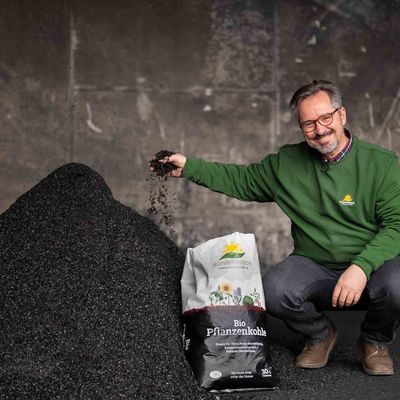
Biochar Compost:
This product is required for the production of organic black soil. An additional 25% organic biochar is added to the initial mixture of organic compost and the proportion of organic rock flour is increased.
The respective compost raw materials are placed together with soil in small triangular windrows and mixed thoroughly. The small windrow cross-section and regular turning (daily in the first week, then three times a week) ensure a 100% oxygen supply. If there is a risk of overflow (e.g. prolonged periods of rain), all windrows are covered with fleece.
The temperature rises rapidly in the windrows and subsides again after 4-6 weeks. The cooled windrows are then sent for turning into soil.
Creating Soils
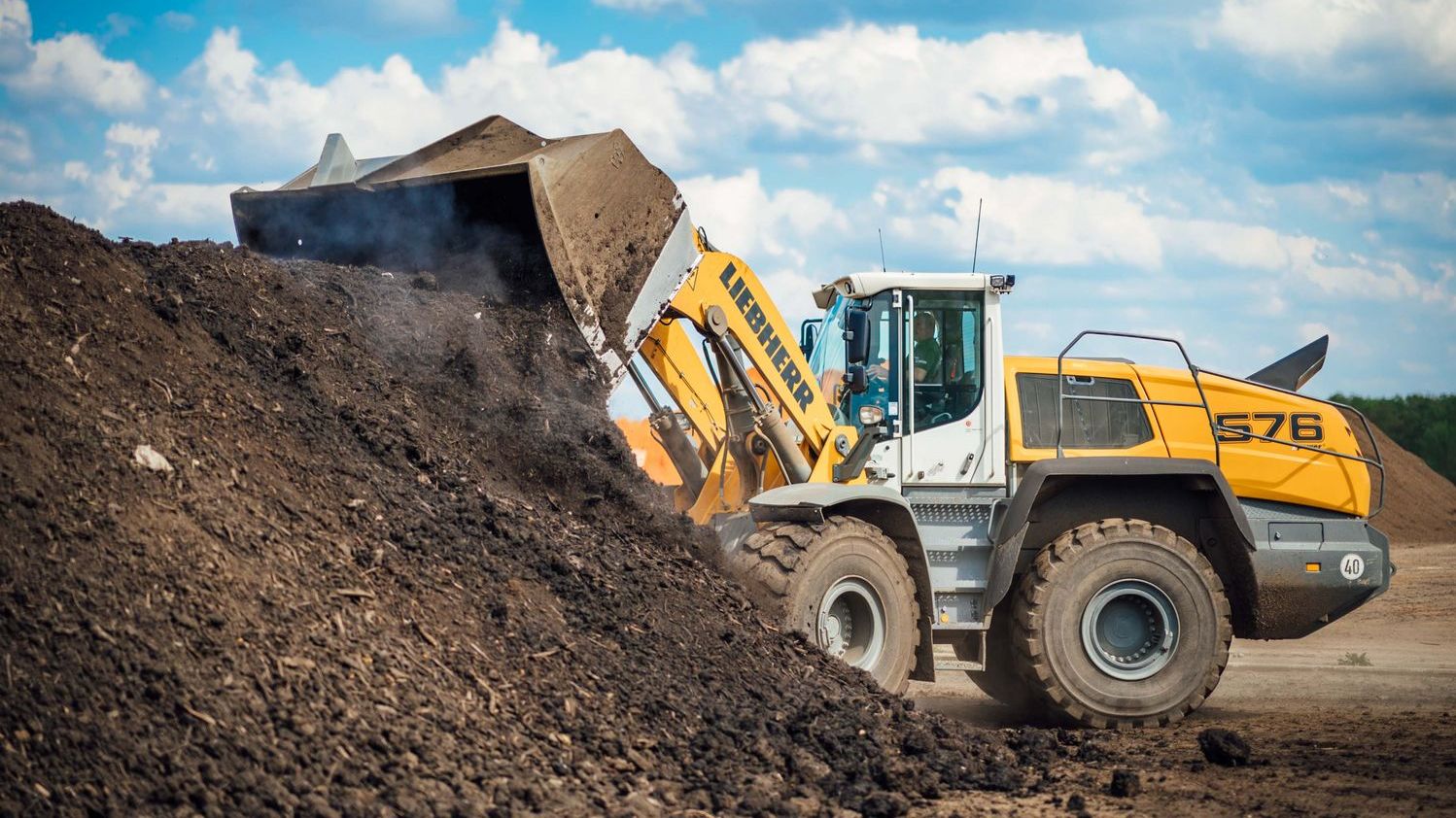
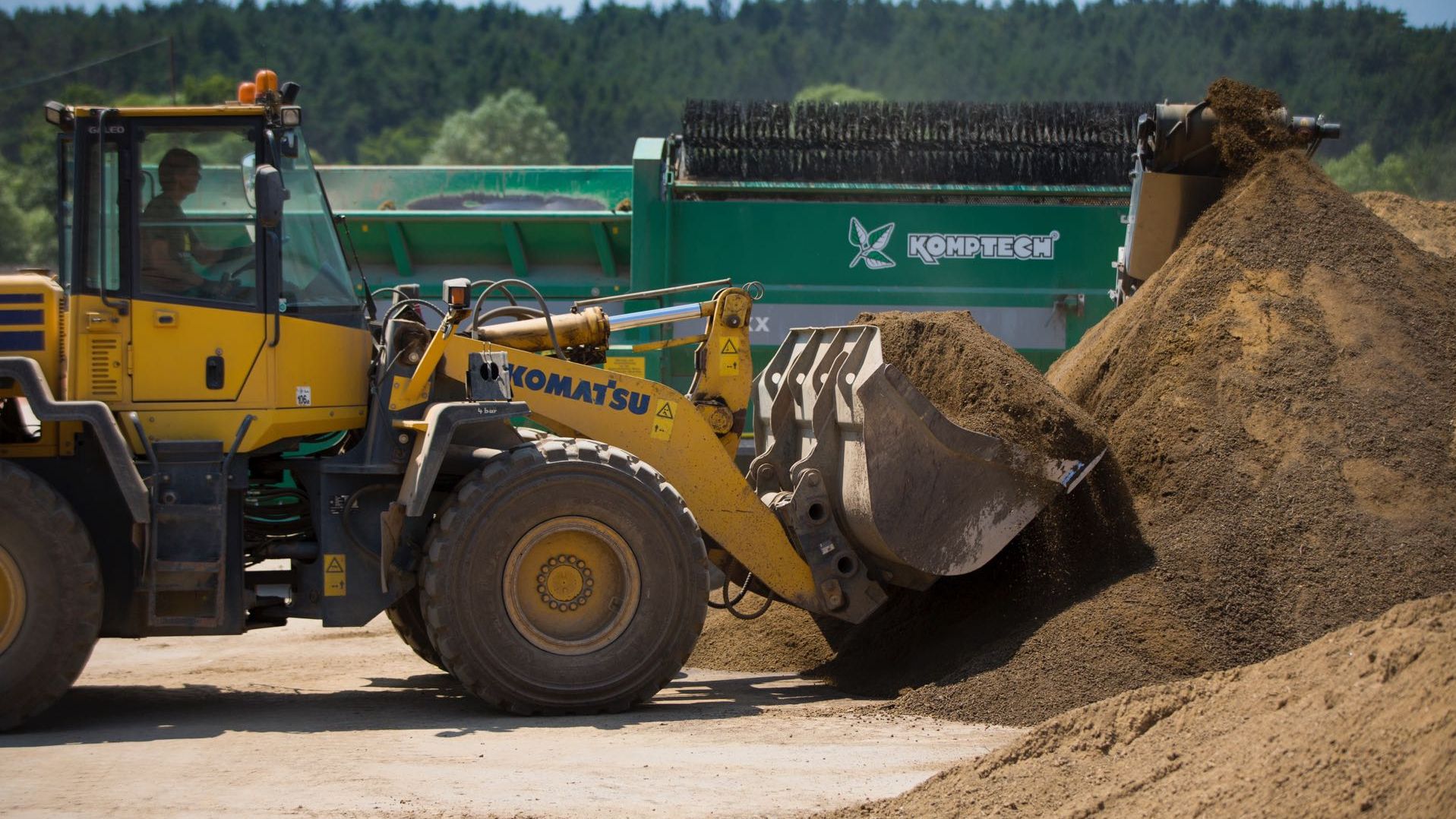
After composting, the individual small windrows are combined into large windrows and remain here for up to a year for better maturing. During this time, the material is shifted 4 to 5 times with the wheel loader so that 100% homogeneity and maturity is achieved. The principle of product-orientation is maintained during composting - the different composts are each combined into separate piles.
Sieving
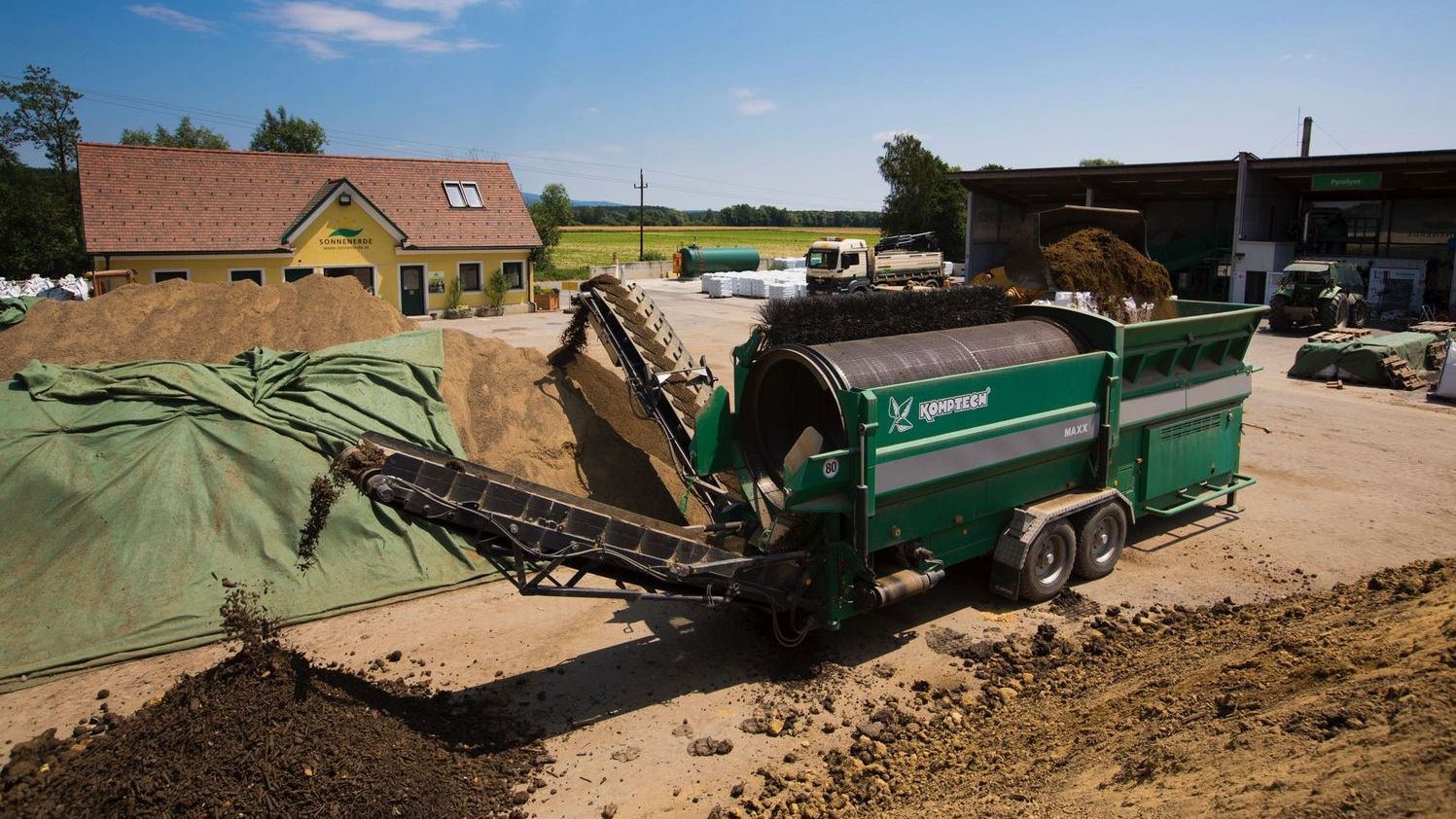
Only after humification is the now mature compost mixed with the individual additives (e.g. sand or clay) and the finished soil mixture is then sieved. Depending on the product, different mesh sizes are used - e.g. 8 mm for seedling soil, 15 mm for raised bed soil or turf soil, and 25 mm for humus or potting soil.
Would you like to find out more about production and composting? You can find out more about the interesting and complex processes during our factory tour:
Production Process
When selecting the aggregates, strict attention is paid to their cleanliness - above all that they are weed-free! For example, only pure sands and loams are used for the production of outdoor soils and not just any agricultural soils of which the exact composition is unknown. Competent and reliable partners have been selected for the supply of all aggregates, such as various sands or loams, so that we are able to deliver consistently high quality finished earth products. The mixing of the various products is carried out in batch operation on windrows with the mixing device, and then a second time via our drum screen during the subsequent screening process.
In addition to our 25 standard products, which are always in stock, we are also happy to produce special mixtures for special applications - so there is no soil requirement that we cannot fulfil!
Bagging
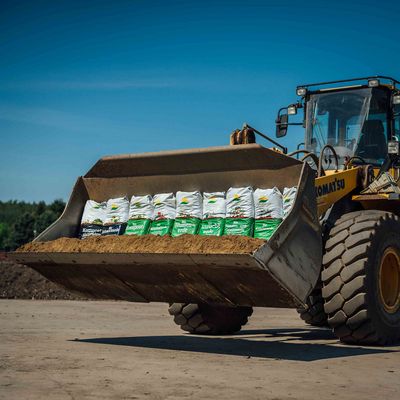
With our new bagging line, the products manufactured in this way are then packed fully automatically, the pallets are wrapped once again for protection and transported for delivery. With our machine, we can fill and palletise any bag size between 5 litres and 50 litres. As we now have the entire production line in-house, we can also react quickly and flexibly to customer requests.
Monitoring
The ongoing monitoring consists of incoming inspection, ongoing checking of the mixture and moisture, temperature monitoring and pH measurement if required. In addition, the compost heaps are regularly checked for their gas composition and the data on CO2, O2 and CH4 in the heap body is collected. As a result, we have a good handle on the correct rotting biology and can react immediately to any undesirable developments and steer the process back in the right direction. Independent institutes monitor our plant and carry out regular sampling to ensure compliance with the Federal Compost Ordinance.